
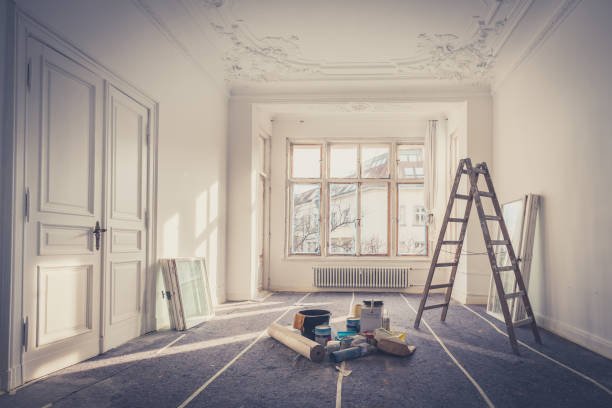
An outdated home does not always need a complete renovation. In many cases, the structure and layout still work perfectly well—the finishes simply belong to another era. Dark cabinetry, tired paint, old-fashioned fixtures, and mismatched furniture can make a house feel older than it really is.
Fortunately, refreshing an outdated home is less about replacing everything and more about identifying the changes that will have the greatest visual and practical impact. A thoughtful coat of paint, improved lighting, updated hardware, and a more balanced furniture arrangement can transform a room without demolition or an enormous budget.
The goal is not to erase your home’s personality. It is to keep what works, improve what does not, and create a space that feels current, comfortable, and genuinely yours.
Begin With a Clear View of the Space
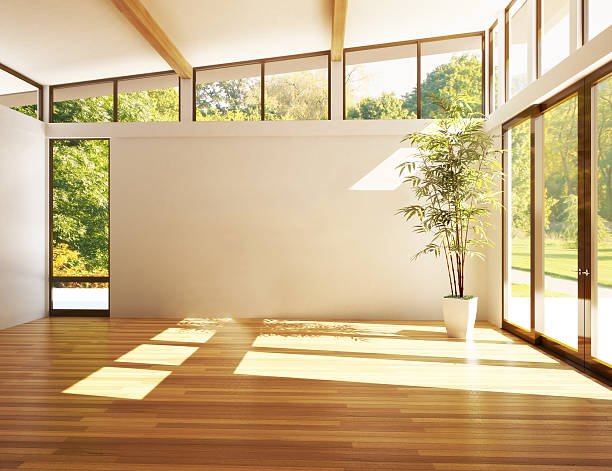
Before buying paint or ordering new furniture, take a careful look at each room. Outdated homes often accumulate layers of colors, decorations, and furnishings over time. When everything competes for attention, it becomes difficult to see what actually needs changing.
Remove unnecessary items from visible surfaces and temporarily put away decorations that no longer suit the room. This does not mean embracing an empty, minimalist style. It simply gives you a clearer view of the flooring, walls, furniture, lighting, and architectural details.
Take photographs of the room from several angles. A photograph often reveals visual clutter, poor furniture placement, and awkward color combinations that you may overlook in person.
Decide What Is Worth Keeping
Not every older feature is a problem. Solid wood doors, built-in cabinets, traditional moldings, terrazzo floors, and vintage hardware can give a home character that newer properties sometimes lack.
Ask whether an element is genuinely worn out or simply surrounded by finishes that do not complement it. An old wooden cabinet may look surprisingly elegant after the walls are repainted and the hardware is updated. A vintage floor might only need professional cleaning or refinishing.
Preserving quality materials can save money while giving your refreshed interior a more distinctive appearance.
Use Paint to Create a Cohesive Foundation
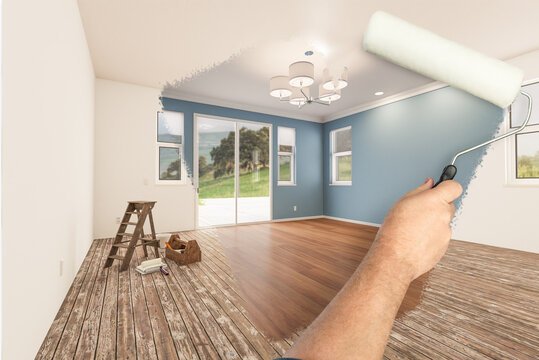
Paint remains one of the most effective ways to refresh an outdated home without starting over. A new color can brighten a room, reduce visual noise, and help older features feel intentional.
Warm whites, soft beige shades, muted greens, and gentle gray tones can create a calm foundation. However, there is no single color that works in every home. Natural light, flooring, cabinetry, and existing furniture all affect how paint appears.
Test samples on more than one wall and observe them in the morning, afternoon, and evening. A color that looks balanced in daylight may appear much warmer or cooler under artificial lighting.
Look Beyond the Walls
Ceilings, baseboards, doors, and window trim also influence how fresh a room feels. Yellowed trim or marked doors can make newly painted walls appear unfinished.
Painting trim in a clean, consistent color can visually connect different areas of the home. For a more contemporary effect, consider painting doors and trim in a subtle contrasting shade rather than automatically using bright white.
If your property is older, investigate the existing materials before sanding or disturbing painted surfaces. Mayo Clinic’s information about lead exposure notes that people renovating older homes may face a higher risk of contact with lead-based paint. Before beginning a major painting or refinishing project, consider having questionable surfaces professionally tested and seek expert assistance when hazardous materials may be present.
Modernize the Lighting, Not Just the Fixtures
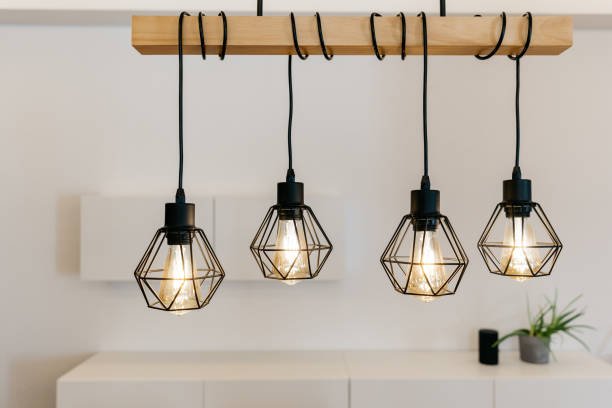
Lighting has a powerful effect on how colors, furniture, and finishes appear. Even a well-decorated room can feel dated when it relies on a single harsh ceiling light or dim, mismatched bulbs.
Start by cleaning shades and fixture covers, opening curtains, and removing anything blocking natural light. Replace burned-out or inconsistent bulbs so their brightness and color temperature work together.
Rather than relying on one overhead fixture, use lighting in layers. General lighting illuminates the room, task lighting supports activities such as cooking or reading, and accent lighting adds warmth around artwork, shelving, or architectural features.
Choose Updates That Fit the House
Not every older light fixture needs to be replaced. A well-made vintage pendant or wall sconce may become a feature after it is cleaned and paired with the right surroundings.
Fixtures that are damaged, inefficient, or clearly out of proportion with the room are better candidates for replacement. Select designs that feel current without being so trendy that they will look outdated again in a few years.
Table lamps, floor lamps, plug-in sconces, and under-cabinet lights offer flexible improvements without extensive electrical work. Any change involving fixed wiring should be handled according to local electrical regulations, preferably by a qualified electrician.
Give Cabinets and Furniture a Second Life
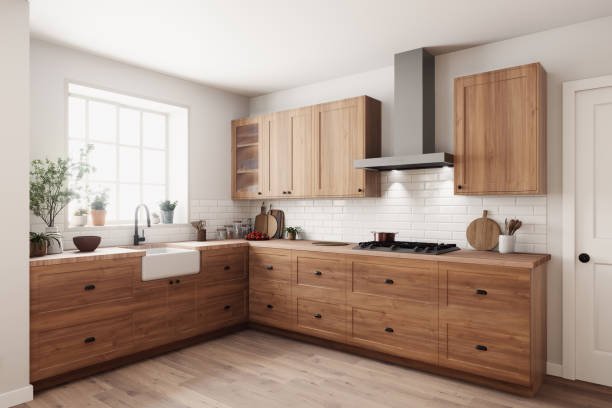
Cabinet replacement can consume a large portion of a renovation budget, yet many older cabinets remain structurally sound. If the layout works and the boxes are in good condition, focus on improving the surfaces and details.
Deep cleaning can remove years of grease and residue. Depending on the material, cabinets may be suitable for refinishing, repainting, or updating with new doors. Changing the handles and knobs can also shift the overall style for a relatively small investment.
The same principle applies to furniture. Before replacing a solid table, dresser, or bookshelf, consider whether it could be repaired, refinished, reupholstered, or used in another room.
Update Hardware With Restraint
Hardware acts like a finishing detail rather than the main attraction. Choose a style and finish that complement the age and architecture of the home.
You do not need to use the exact same metal everywhere. A controlled mix can feel collected and natural. Repeating one dominant finish across nearby rooms, however, helps the home feel connected.
Measure the existing holes before purchasing new cabinet pulls. Choosing hardware with the same spacing can prevent additional drilling and make installation much easier.
Refresh Kitchens and Bathrooms Through Smaller Changes
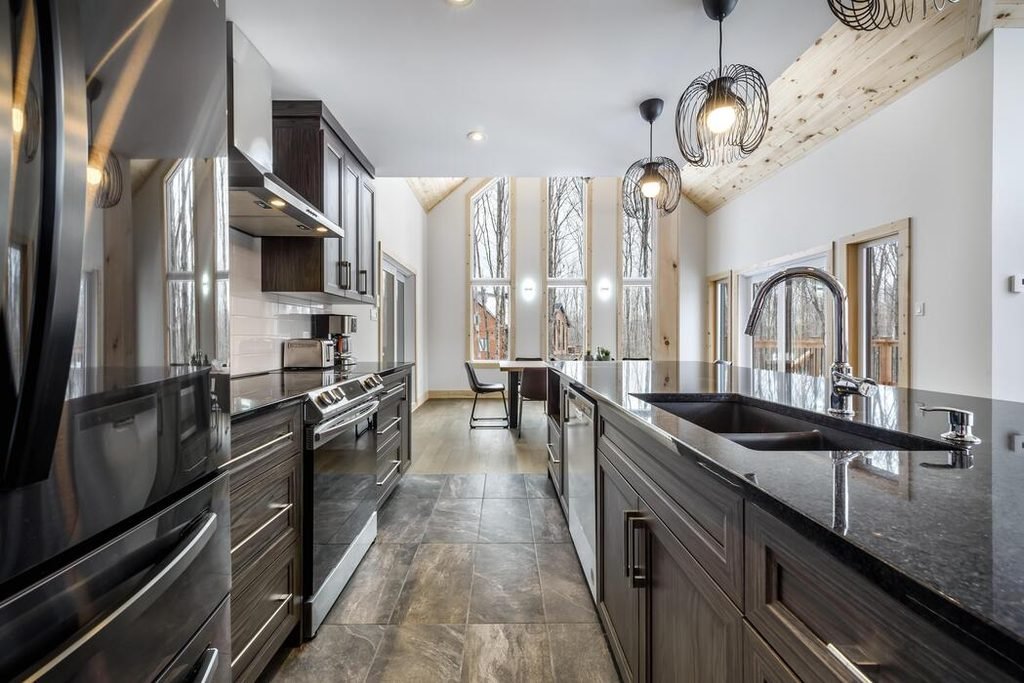
Kitchens and bathrooms often show their age first, but they are also among the most expensive rooms to rebuild. Instead of immediately planning a complete renovation, identify which surfaces create the strongest dated impression.
In a kitchen, the most effective updates may include repainting the walls, changing cabinet hardware, installing a new faucet, improving task lighting, or replacing a damaged backsplash. Clearing overcrowded countertops can also make the room feel larger and more functional.
In a bathroom, a fresh shower curtain, updated mirror, modern towel bars, new lighting, and repaired grout may significantly improve the space. Replacing worn sealant around sinks and tubs creates a cleaner finish while helping control moisture.
Avoid covering leaks, mold, damaged wiring, or deteriorated building materials with decorative improvements. Those conditions require proper investigation and repair before cosmetic work begins.
Let Textiles Carry Some of the Design Work
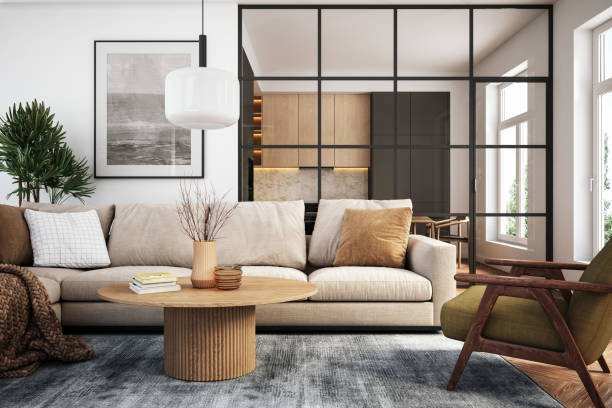
Curtains, rugs, bedding, cushions, and upholstery can change the mood of a room without permanently altering it. They are particularly useful when you are working with flooring or furniture that cannot be replaced immediately.
Choose textiles that create a relationship between existing and new colors. For example, a rug containing both the tone of an older floor and the color of freshly painted walls can make the combination feel deliberate.
Curtains hung slightly above the window frame can make a room appear taller. Panels should generally have enough fabric to look full when closed rather than stretched flat across the window.
Avoid buying every textile from the same collection. Mixing complementary patterns, textures, and solid colors produces a more natural, layered result.
Rearrange Before You Replace
Sometimes a home feels outdated because of how it is arranged rather than what it contains. Furniture pushed against every wall can make a room feel disconnected, while oversized pieces may interrupt movement and block natural light.
Identify the room’s focal point, such as a fireplace, window, artwork, or television, and arrange the main seating around it. Preserve comfortable walking paths and make sure tables are within practical reach.
Try moving furniture between rooms. A small dresser may work as entryway storage, while an unused dining chair could become a bedroom accent. Working with what you already own encourages more creative and budget-friendly home updates.
Introduce Contemporary Details Carefully
Refreshing an outdated interior does not require filling it with every current design trend. Trends work best as accents that can be changed easily.
Artwork, lampshades, cushions, planters, and decorative objects offer low-commitment ways to introduce updated colors and shapes. Natural materials such as wood, stone, linen, and woven fibers can also soften overly polished or dated surfaces.
Plants add color and movement, although they should suit the room’s available light and your ability to care for them. When live plants are impractical, a vase of fresh branches or a high-quality artificial plant can provide a similar visual lift.
Leave some open space around decorative items. A few meaningful pieces usually create a stronger effect than a shelf crowded with objects.
Improve the Details You Touch Every Day
Some of the smartest home refresh ideas are not immediately visible in photographs. A door that closes properly, a drawer that slides smoothly, and a faucet that no longer drips all make a home feel better maintained.
Walk through the property and pay attention to small frustrations. Tighten loose handles, lubricate squeaky hinges, repair damaged screens, replace cracked switch plates, and adjust sticking cabinet doors.
These improvements may not be dramatic, but they change how you experience the house. A refreshed home should function better as well as look better.
Create a Home That Feels Updated, Not Erased
The most successful home updates respect what is already there. Instead of treating every older feature as something to remove, use it as part of the design problem—and sometimes part of the solution.
Begin with cleaning, decluttering, and rearranging. Then improve the visual foundation with paint and consistent lighting. Update worn hardware, textiles, and fixtures gradually, concentrating on one room or connected area at a time.
This approach allows you to make better decisions and avoid spending money on replacements you may not need. It also creates a home that feels collected and personal rather than copied from a showroom.
Refreshing an outdated home is not about starting over. It is about seeing familiar spaces with fresh eyes, preserving their strongest features, and making thoughtful changes that support the way you live today.
Leave a Reply